Showcasing High-End Tiling Project Showcases
- Asghar Nas
- Jul 11
- 3 min read

Tiling projects define the quality and aesthetic of a space. Precision, material choice, and installation technique determine the final outcome. I focus on delivering flawless, durable, and visually striking tiling solutions. This post outlines key aspects of high-end tiling projects. It highlights practical insights and technical details relevant to builders, strata managers, developers, and homeowners in Melbourne.
Tiling Project Showcases: Key Elements of Excellence
High-end tiling projects require meticulous planning and execution. The choice of tile material is critical. Porcelain, natural stone, and large-format tiles dominate premium projects. These materials offer durability and a refined finish. I ensure substrates are perfectly prepared to avoid future issues like cracking or water ingress.
Installation techniques vary by tile type and project scope. For example, large-format tiles demand precise leveling systems and strong adhesives. Natural stone requires sealing and careful handling to preserve its texture. Grout selection also impacts the final look and longevity. Epoxy grout is preferred for wet areas due to its resistance to stains and moisture.
Project management is essential. Coordinating with other trades ensures smooth workflow and timely completion. I use detailed schedules and quality checks at every stage. This approach minimizes errors and rework.

Technical Insights from Tiling Project Showcases
I document each project to refine techniques and showcase results. One example involved a luxury bathroom renovation. The client requested a seamless look with minimal grout lines. I selected rectified porcelain tiles with a 1.5 mm grout gap. The substrate was levelled using a self-levelling compound. A laser level ensured perfect alignment.
Waterproofing was critical. I applied a liquid membrane system beneath the tiles. This step prevents water damage and complies with Australian standards. The grout was epoxy-based, ensuring stain resistance and durability.
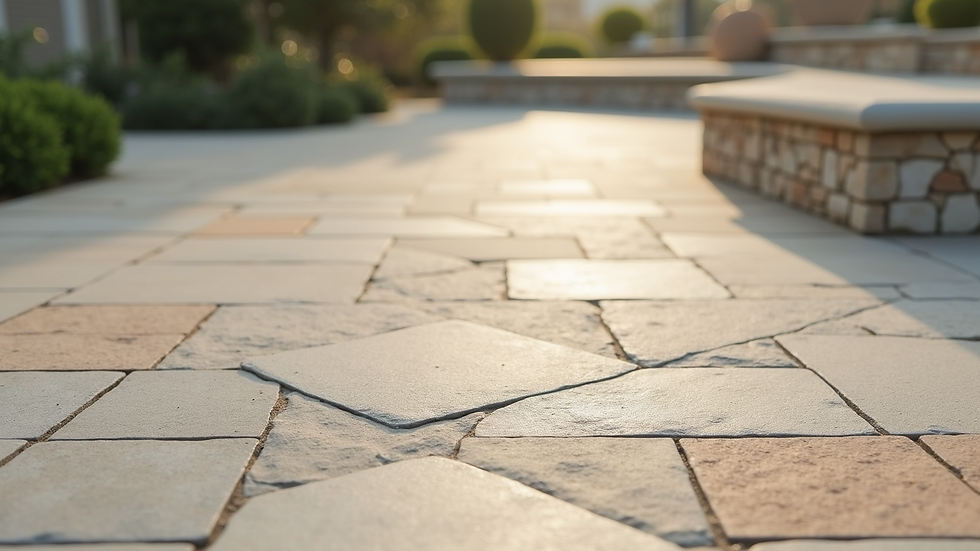
Another project featured a commercial lobby with natural stone tiles. The challenge was uneven substrate and heavy foot traffic. I used a cementitious adhesive with high bond strength. The stone was sealed before and after installation to protect against stains and wear.
These examples demonstrate the importance of tailored solutions. Each project demands specific materials, tools, and methods.
What is the Latest Trend in Tile?
Current trends focus on large-format tiles and textured surfaces. Large tiles reduce grout lines, creating a sleek, modern look. They also speed up installation on large floors and walls. Textured tiles add depth and tactile interest, often mimicking natural materials like wood or stone.
Sustainability is gaining traction. Recycled and eco-friendly tiles are increasingly popular. These options reduce environmental impact without compromising quality.
Colour trends lean towards neutral palettes - greys, beiges, and whites dominate. These shades provide a timeless backdrop suitable for various design styles.
Technological advances include digital printing on tiles. This allows for custom patterns and high-resolution images. It expands design possibilities for bespoke projects.
Practical Recommendations for High-End Tiling Projects
To achieve premium results, follow these guidelines:
Substrate Preparation
Ensure surfaces are clean, dry, and level. Use self-levelling compounds where necessary. Check moisture levels before tiling.
Material Selection
Choose tiles suited to the environment. Porcelain for wet areas, natural stone for aesthetics, and large-format for minimal grout lines.
Waterproofing
Apply waterproof membranes in bathrooms, kitchens, and balconies. Comply with Australian standards for waterproofing.
Adhesives and Grout
Use high-quality adhesives compatible with tile type. Opt for epoxy grout in wet or high-traffic areas.
Installation Techniques
Employ leveling systems for large tiles. Maintain consistent grout spacing. Seal natural stone tiles properly.
Quality Control
Conduct inspections at each stage. Address issues immediately to avoid costly repairs.
Maintenance Advice
Provide clients with cleaning and care instructions. Recommend suitable sealers and cleaning products.
These steps ensure durability, compliance, and aesthetic appeal.
Showcasing a High-End Tiling Project Portfolio
I maintain a high end tiling project portfolio to demonstrate capabilities. This portfolio includes detailed case studies, material specifications, and before-and-after images. It serves as a reference for clients and collaborators.
The portfolio highlights projects across residential, commercial, and strata developments. Each entry outlines challenges, solutions, and outcomes. This transparency builds trust and showcases technical expertise.
Using this portfolio, I can tailor proposals to client needs. It also helps in selecting appropriate materials and methods for new projects.
Ensuring Compliance and Longevity in Tiling Projects
Compliance with Australian standards is non-negotiable. Waterproofing, substrate preparation, and installation must meet regulatory requirements. I stay updated on standards such as AS 3958.1 for ceramic tile installation and AS 3740 for waterproofing.
Longevity depends on correct installation and maintenance. I recommend regular inspections and prompt repairs. Proper sealing and grout maintenance extend tile life.
Incorporating these practices reduces risk of failure and costly remediation. It also enhances property value and client satisfaction.
This overview of high-end tiling project showcases provides a clear framework for delivering premium results. Attention to detail, technical precision, and compliance are essential. By following these principles, I consistently achieve durable, elegant, and functional tiled spaces.
Comments